


How does a ceramic table lamp become the aesthetic core of minimalist and classic styles?
Release Time : 2026-02-19
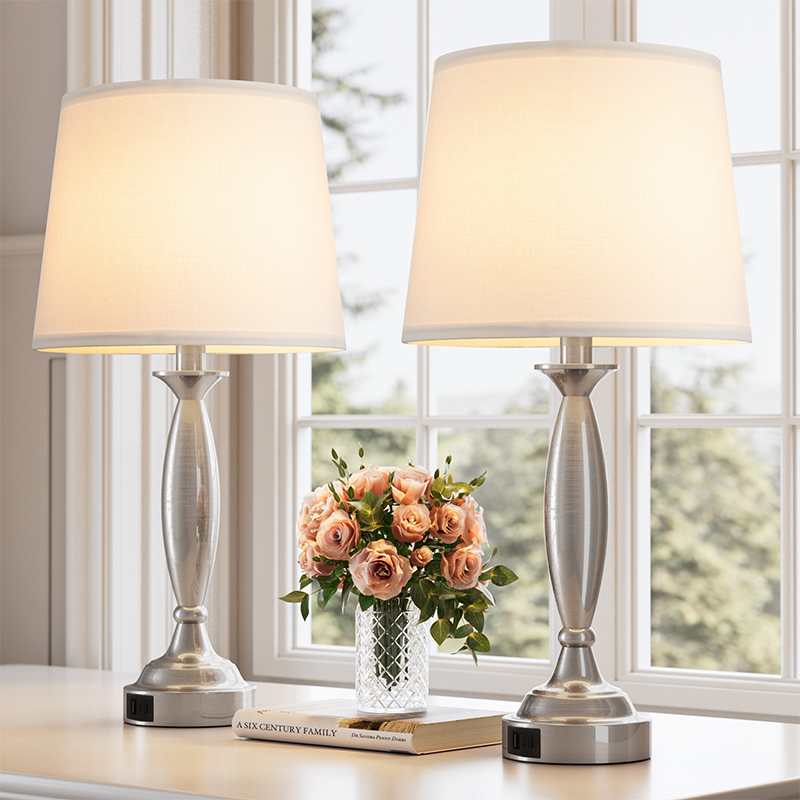
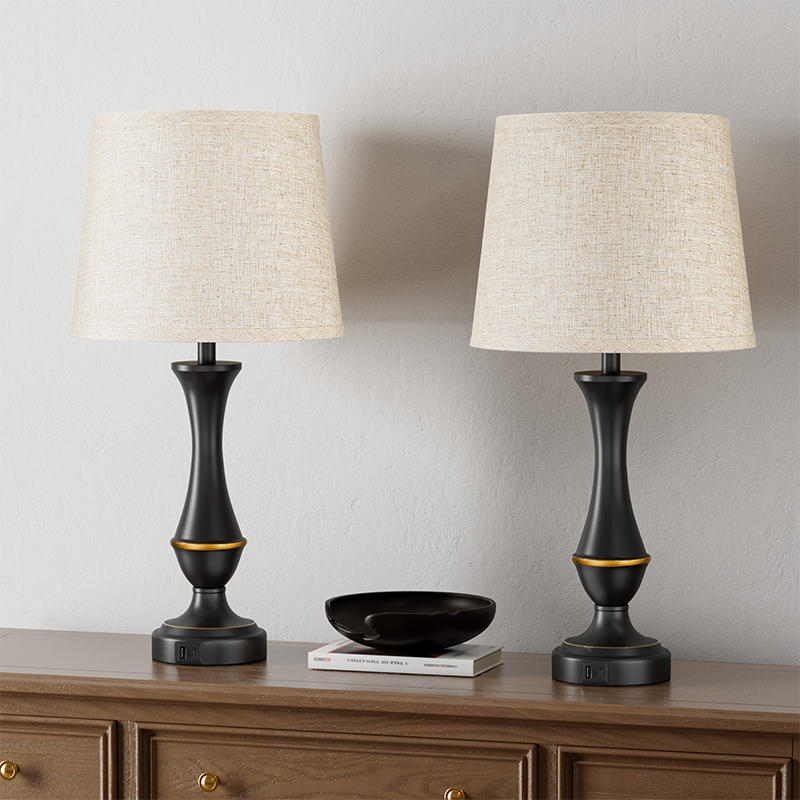
In the diverse context of modern home design, lighting fixtures are no longer simply tools for illumination, but rather silent expressions of spatial character and lifestyle. With its warm, smooth texture, soft light output, and elegant design, the ceramic table lamp has become an ideal medium connecting the two major styles of minimalism and classicism. Whether it's a teardrop-shaped base with a light blue finish or a crisp white fabric lampshade, it can infuse a home with refined style and create a tranquil and comfortable atmosphere.
1. Ceramic Material: The Foundation of Warm Texture
Compared to metal, glass, or plastic table lamps, the core advantage of a ceramic table lamp lies in the natural inclusiveness of its material. Ceramic is fired at high temperatures, resulting in a delicate and smooth glaze that feels warm and inviting, neutralizing the coldness of other materials in the space. In minimalist spaces, the matte or semi-matte glaze of ceramics harmonizes with natural materials like concrete, wood, and linen, preventing the space from feeling too cold. In classicist spaces, the glossy glaze of ceramics echoes vintage elements such as brass, crystal, and carved wood, adding an elegant, timeless quality. More importantly, ceramics have excellent light diffusion properties; light passing through a ceramic base produces soft secondary scattering, making the overall lighting environment more even and comfortable.
2. Design Logic: The Key to Achieving Style Transcendence
The design of the ceramic table lamp is the core reason for its adaptability to various styles. Its flowing geometric shapes, such as teardrop, sphere, and cylinder, not only meet the minimalist pursuit of clean lines but also incorporate the classicist emphasis on proportion and symmetry. The light blue finish, as a neutral tone, is neither too flamboyant and disruptive to the restraint of a minimalist space, nor too monotonous and diminishing the richness of a classic space. The white fabric lampshade further softens the light boundaries, creating a diffused effect and avoiding direct glare. The balanced design of its form and color allows the ceramic table lamp to seamlessly integrate into various home décor styles, from modern minimalism to retro sophistication, becoming a natural bridge for style transitions.
3. Light Performance: The Soul of Creating Spatial Atmosphere
The core value of an excellent table lamp lies in its control of light quality. The ceramic table lamp uses a built-in A19 LED bulb with a color temperature typically controlled between 2700K and 3000K, outputting warm white light that simulates the soft glow of a natural dusk. This light not only reduces eye strain, making it suitable for close-up activities such as reading and working, but also creates a warm and relaxing atmosphere. In a minimalist bedroom, soft light enhances the tranquility of the space, helping users quickly enter a restful state; in a classic living room, warm light highlights the material details of furniture and decorations, enhancing the layering and depth of the space. Light becomes an invisible link between people and space, allowing the ceramic table lamp to transcend its decorative function and become a substantial enhancer of quality of life.
4. Scene Adaptability: The Flexibility of Multifunctional Applications
The versatility of the ceramic table lamp allows it to meet the lighting and decorative needs of various home scenarios. Placed on a bedside table, it's a companion for pre-sleep reading, its soft light not disturbing sleep rhythms; placed on a living room side table, it becomes a visual focal point, forming a harmonious composition with the sofa and coffee table; placed in a home office, it boosts work efficiency, reducing screen glare and eye strain; placed in the entryway, it initiates the homecoming ritual, welcoming you with a warm first impression. No matter how the scene changes, the ceramic table lamp, with its stable aesthetic performance and reliable functional output, remains an indispensable element of the home.
The ceramic table lamp's ability to freely navigate between minimalism and classic style lies in its design philosophy, which returns to the essence of home aesthetics—authentic materials, restrained shapes, and comfortable lighting. It doesn't chase fleeting trends but responds to people's enduring pursuit of a quality life with a timeless design language.
1. Ceramic Material: The Foundation of Warm Texture
Compared to metal, glass, or plastic table lamps, the core advantage of a ceramic table lamp lies in the natural inclusiveness of its material. Ceramic is fired at high temperatures, resulting in a delicate and smooth glaze that feels warm and inviting, neutralizing the coldness of other materials in the space. In minimalist spaces, the matte or semi-matte glaze of ceramics harmonizes with natural materials like concrete, wood, and linen, preventing the space from feeling too cold. In classicist spaces, the glossy glaze of ceramics echoes vintage elements such as brass, crystal, and carved wood, adding an elegant, timeless quality. More importantly, ceramics have excellent light diffusion properties; light passing through a ceramic base produces soft secondary scattering, making the overall lighting environment more even and comfortable.
2. Design Logic: The Key to Achieving Style Transcendence
The design of the ceramic table lamp is the core reason for its adaptability to various styles. Its flowing geometric shapes, such as teardrop, sphere, and cylinder, not only meet the minimalist pursuit of clean lines but also incorporate the classicist emphasis on proportion and symmetry. The light blue finish, as a neutral tone, is neither too flamboyant and disruptive to the restraint of a minimalist space, nor too monotonous and diminishing the richness of a classic space. The white fabric lampshade further softens the light boundaries, creating a diffused effect and avoiding direct glare. The balanced design of its form and color allows the ceramic table lamp to seamlessly integrate into various home décor styles, from modern minimalism to retro sophistication, becoming a natural bridge for style transitions.
3. Light Performance: The Soul of Creating Spatial Atmosphere
The core value of an excellent table lamp lies in its control of light quality. The ceramic table lamp uses a built-in A19 LED bulb with a color temperature typically controlled between 2700K and 3000K, outputting warm white light that simulates the soft glow of a natural dusk. This light not only reduces eye strain, making it suitable for close-up activities such as reading and working, but also creates a warm and relaxing atmosphere. In a minimalist bedroom, soft light enhances the tranquility of the space, helping users quickly enter a restful state; in a classic living room, warm light highlights the material details of furniture and decorations, enhancing the layering and depth of the space. Light becomes an invisible link between people and space, allowing the ceramic table lamp to transcend its decorative function and become a substantial enhancer of quality of life.
4. Scene Adaptability: The Flexibility of Multifunctional Applications
The versatility of the ceramic table lamp allows it to meet the lighting and decorative needs of various home scenarios. Placed on a bedside table, it's a companion for pre-sleep reading, its soft light not disturbing sleep rhythms; placed on a living room side table, it becomes a visual focal point, forming a harmonious composition with the sofa and coffee table; placed in a home office, it boosts work efficiency, reducing screen glare and eye strain; placed in the entryway, it initiates the homecoming ritual, welcoming you with a warm first impression. No matter how the scene changes, the ceramic table lamp, with its stable aesthetic performance and reliable functional output, remains an indispensable element of the home.
The ceramic table lamp's ability to freely navigate between minimalism and classic style lies in its design philosophy, which returns to the essence of home aesthetics—authentic materials, restrained shapes, and comfortable lighting. It doesn't chase fleeting trends but responds to people's enduring pursuit of a quality life with a timeless design language.